
 Image 1 of 3
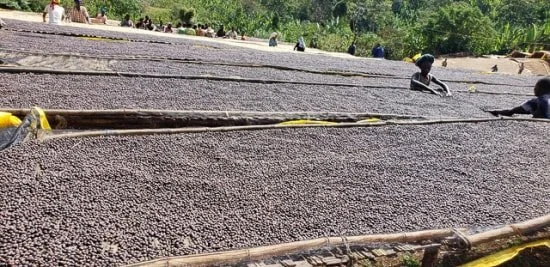 Image 2 of 3
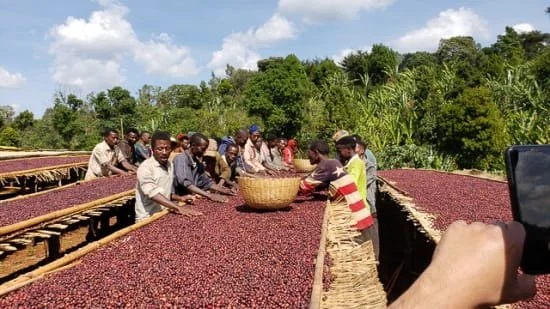 Image 3 of 3
The Cup: Cooked fruit and floral flavors with tangy malic acidity and sugary sweetness.
The Origin: Ethiopia is considered to be the absolute birthplace of Arabica coffee. Most coffee in Ethiopian is grown on small plots of land by farmers who also grown other crops. Once harvested, the coffee is then brought down to a central washing station or processing unit, where the coffee is sorted, weighed and processed. This coffee comes from the Banko Gogtiti Coop washing station in the Gedeb district of Yirgacheffe, Ethiopia.
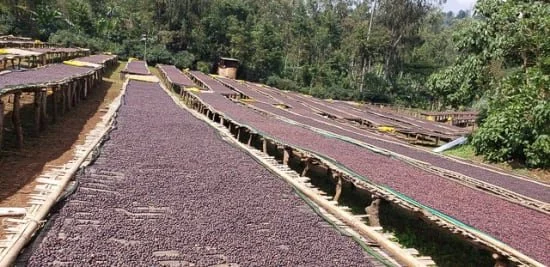
The Process: Washed. The coffee is picked ripe and depulped the same day. There is usually a fermentation period of 8–12 hours in open-air tanks, then washed in water channels to remove the mucilage. The coffee seeds will be spread on raised beds to dry for 5–15 days, depending on the weather.
The Cup: Cooked fruit and floral flavors with tangy malic acidity and sugary sweetness.
The Origin: Ethiopia is considered to be the absolute birthplace of Arabica coffee. Most coffee in Ethiopian is grown on small plots of land by farmers who also grown other crops. Once harvested, the coffee is then brought down to a central washing station or processing unit, where the coffee is sorted, weighed and processed. This coffee comes from the Banko Gogtiti Coop washing station in the Gedeb district of Yirgacheffe, Ethiopia.
The Process: Washed. The coffee is picked ripe and depulped the same day. There is usually a fermentation period of 8–12 hours in open-air tanks, then washed in water channels to remove the mucilage. The coffee seeds will be spread on raised beds to dry for 5–15 days, depending on the weather.